Winter Sampling of the Finger Lakes
Published:
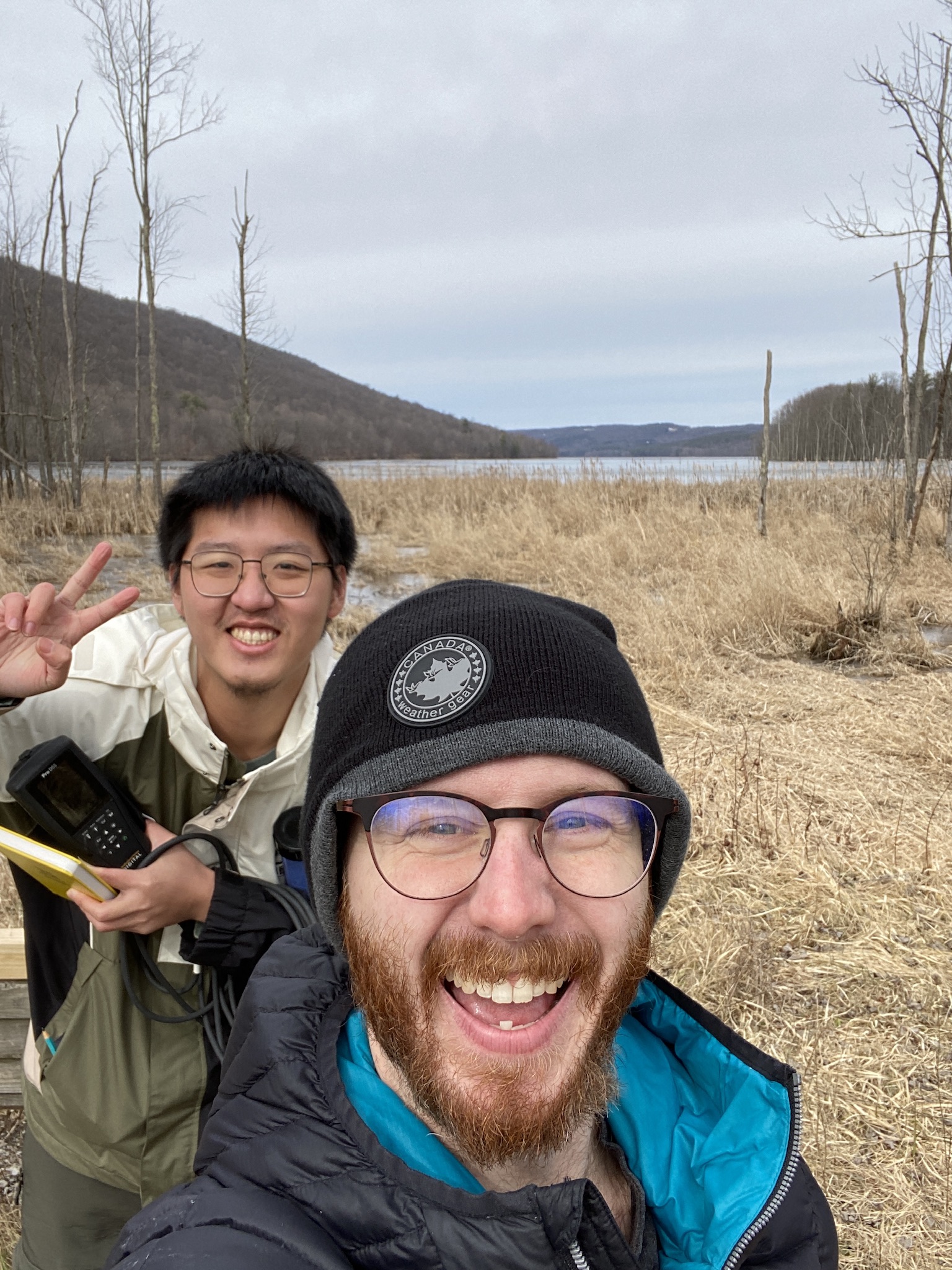
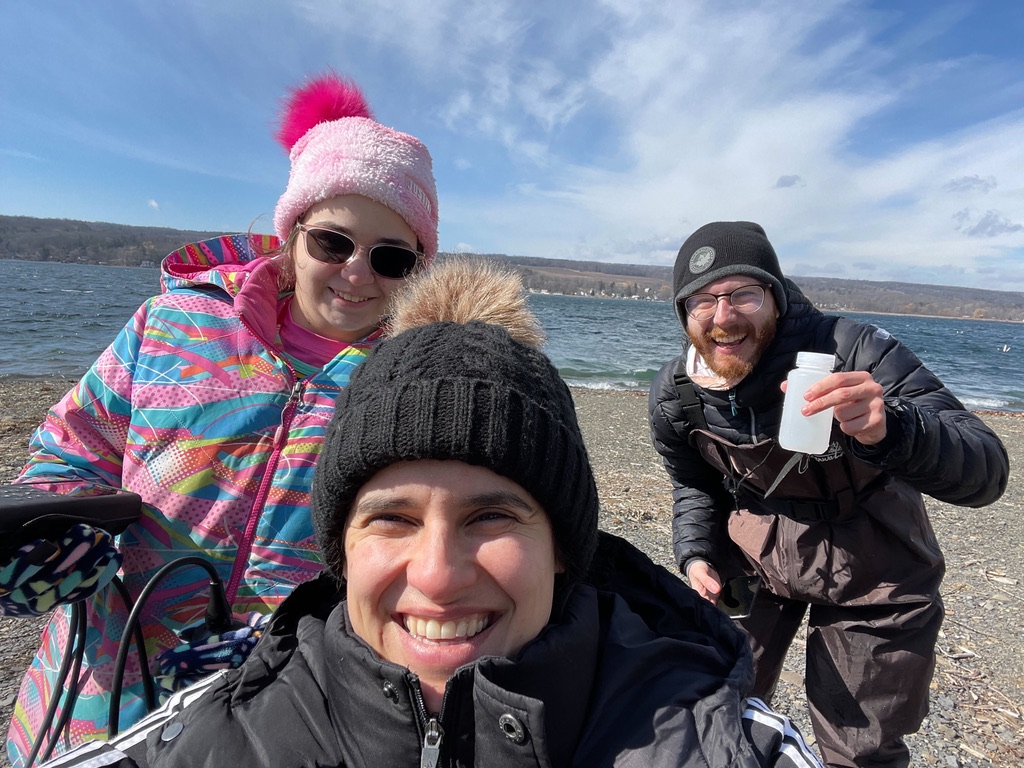
After 3 days and a stressful snowy drive home from Conesus, I am happy to say that my lab and I successfully sampled 11 finger lakes and 16 tributaries! It was a ton of work, but we’re stoked to see what the data tells us.
What Lakes were sampled and why?
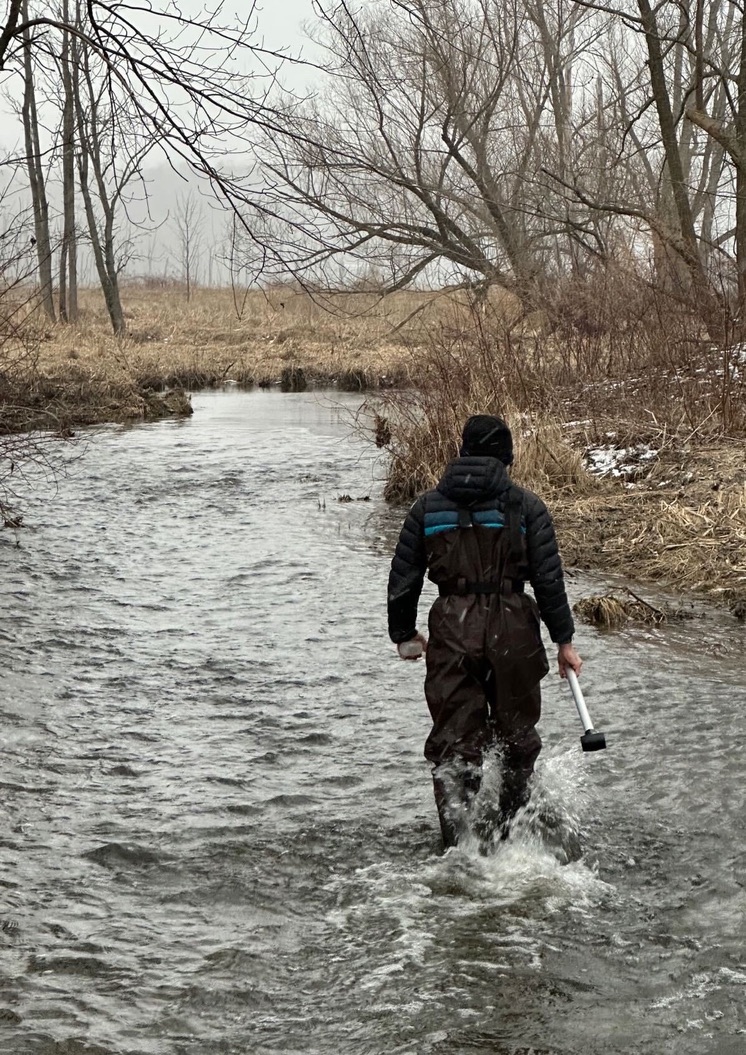
Each of the Finger Lakes were sampled, as well as most of their inlets and outlets (where accessible). This includes:
- Otisco (both inlet and outlet)
- Skaneateles (outlet)
- Owasco (both inlet and outlet)
- Cayuga (both inlet and outlet)
- Seneca (both inlet and outlet)
- Canandaigua (inlet)
- Keuka (outlet)
- Honeoye (both inlet and outlet)
- Canadice (outlet)
- Hemlock
- Conesus (both inlet and outlet)
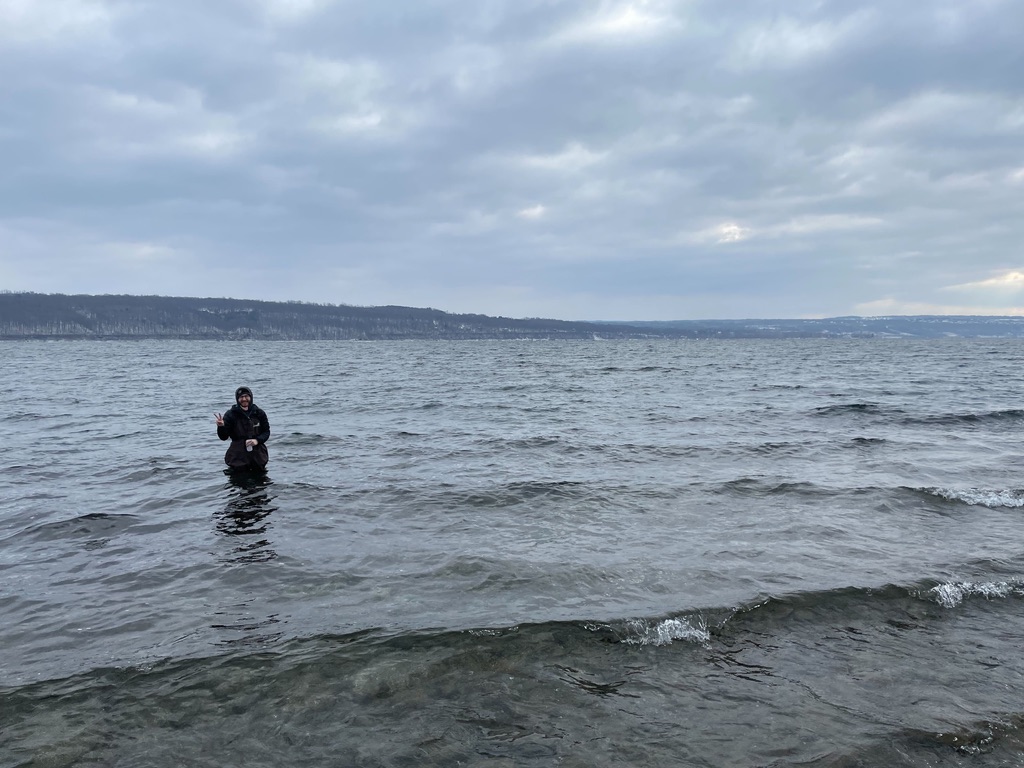
These lakes and tributaries were sampled for a few reasons. First, to see the isotopic variation of the waters when compared to the summer sampling campaign, and secondly to better understand how the chemistry of the water evolves from inlet to outlet. I am curious to see how drastic the signals vary not only from lake to lake, but also through different seasons.
Part of what makes the Finger Lakes interesting is that each lake varies drastically in depth when compared to each other, which contributes to how well mixed each lake can be throughout time. Seneca and Cayuga lakes are the deepest of the 11 finger lakes, and as such, their turnover rates of water are on the scales of 18 to 22 years (roughly). However, other lakes like Otisco and Honeoye, are very shallow and can experience turn over multiple times a year. The shallower lakes have much shorter retention times but do still hold water. While people study these lakes for their biota and general chemistry, my lab group and I are interested in understanding how the lithology contributes to the chemistry within these lakes, as well as how they could be a recorder of climate change just through consistent monitoring of them through time.
What’s next?
The data from this sampling campaign will help confirm or deny some preliminary findings from our sampling campaign. We hope that the tributary data will help us understand how the lakes act as chemical reactors for the water that flows through them. Eventually our goal is to help understand and constrain the hydrology of the finger lakes and their response to long term warming within the North Eastern United States.
Thank you Nicole, Sarah, and Jiawei for helping me collect these samples! Y’all rock!